


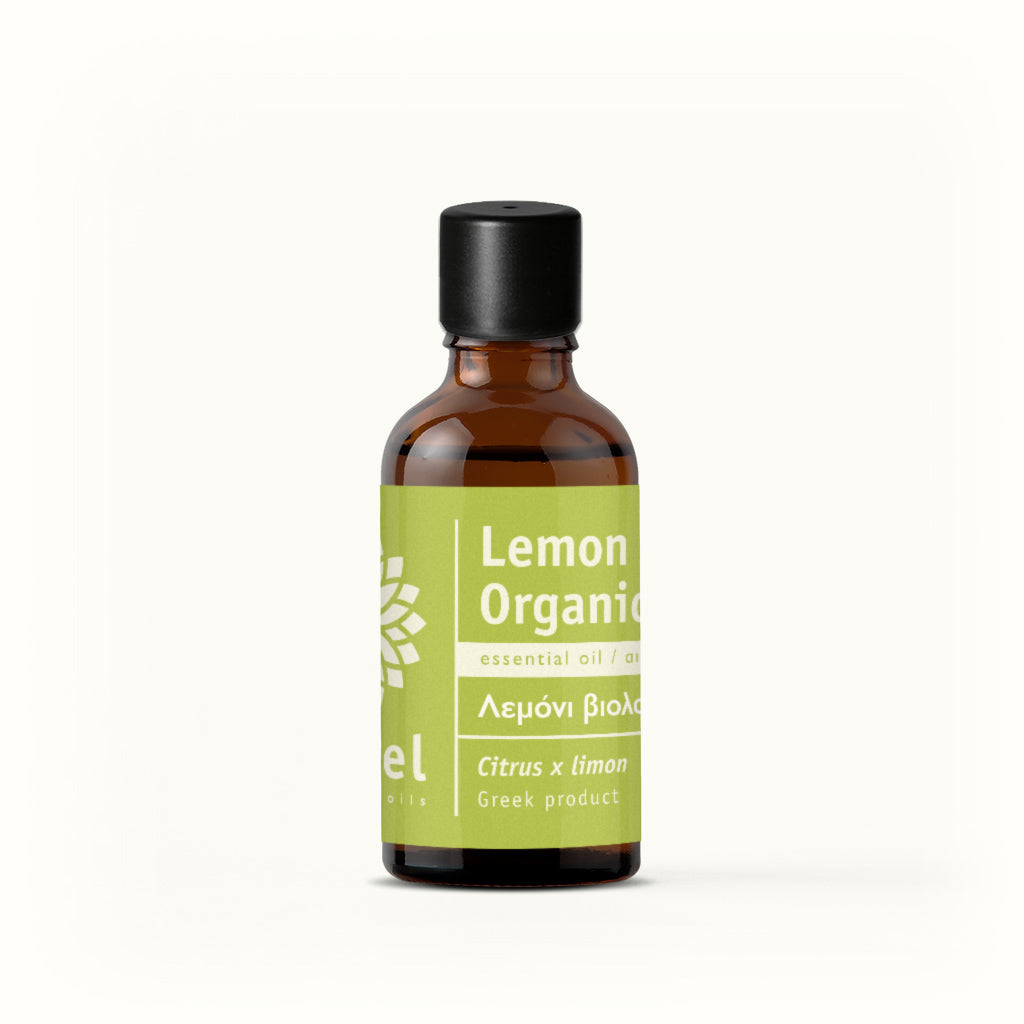
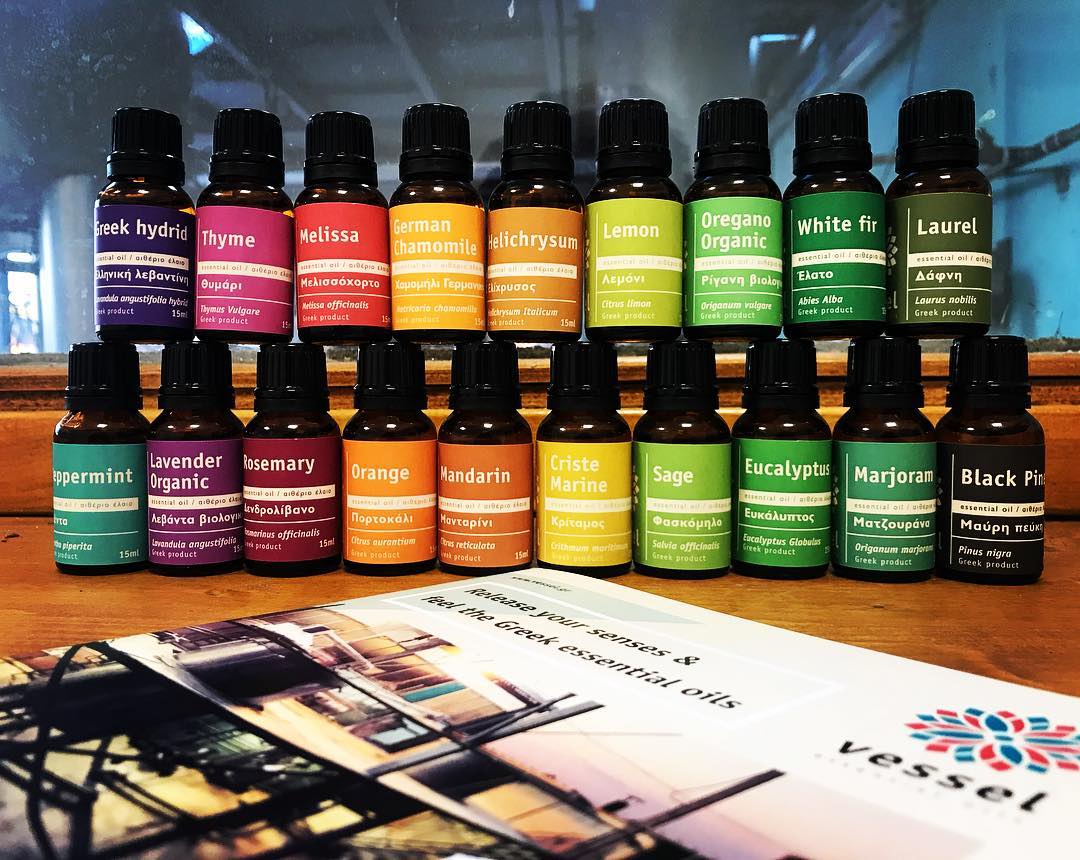
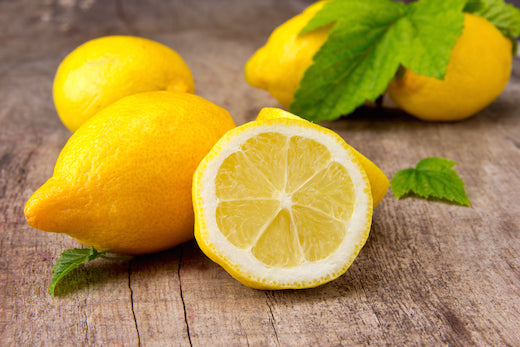
Greek Lemon Organic Essential Oil
Regular price
€4.90
€4.90
If you are interested in buying larger size quantities we would love to receive your email at info@vessel.gr
Greek Lemon Organic Essential Oil
Batch:Ε1001927



Common name: Lemon
Latin name: Citrus x limon
Botanical family: Rutaceae
Method of extraction: Expression
Plant part used to extract the oil: fruit peel
Cultivation method: Organic
Area of origin: Greece
Biochemical group: monoterpenes
Main chemical constituents: (+)-limonene, beta-pinene, gamma-terpinene
Colour: yellow
Consistency: thin
Aroma strength: medium
Perfumery note: top
Aroma: lemony and fresh, sweet, fruity, with only a hint of bitterness
Traditional Aromatherapy Uses:
- Traditionally in aromatherapy treatments lemon is associated with the following therapeutic properties: antimicrobial, antirheumatic, antiseptic, antispasmodic, astringent, bactericidal, carminative, cicatrisant, depurative, diaphoretic, diuretic, febrifuge, haemostatic, hypotensive, insecticidal, rubefacient, tonic, vermifuge.
- Qualified aromatherapists may use lemon essential oil for common complaints such as:
- skin conditions – due to the antibacterial properties lemon essential oil is often used in shower gels and hand washes
- vapourised or inhaled to aid mental alertness and focus
- aches and pains associated with conditions such as rheumatism, arthritis and gout
- cellulite and in weight loss treatments
- circulatory issues such as varicose veins, high blood pressure and arteriosclerosis preventative treatments
- support to the digestive system
- others
- How we use it:
- Inhalation / Vapourisation:
- We love to diffuse our lemon essential oil when the weather is gloomy to uplift the spirits.
- We also use it on its own or blended with rosemary essential oil to help us focus whilst working/studying/decision making to keep us mentally alert.
- Others:
- Start your day off with a refreshing morning shower – add some lemon essential oil to an unscented shower gel base. Combine with our gorgeous mandarin and/or sweet orange for a sweeter ‘happy’ aroma.
Please, also see our How to Use Essential Oils Safely page for more information
Safety considerations: Expressed Lemon essential oil is phototoxic.
Tisserand and Young recommend a dermal maximum use at 2.0% to avoid the risk of a phototoxic reaction. If applied to the skin at over maximum use level, skin must not be exposed to sunlight or sunbed rays for 12 hours.
[Robert Tisserand and Rodney Young, Essential Oil Safety (Second Edition. United Kingdom: Churchill Livingstone Elsevier, 2014), 87, 330-331.]
Lemon essential oil, like all citrus peel essential oils with high content of (+)-limonene, can oxidise easily. We recommend that you store the bottle in a fridge and never use old, oxidised oil to avoid skin irritation.
Please, also see our How to Use Essential Oils Safely page for more information
Examples of research and studies:
- Sedative, anxiolytic and antidepressant activities of Citrus limon (Burn) essential oil in mice.
- Fungitoxic properties of the essential oil of Citrus limon (L.) Burm. against a few dermatophytes.
- Interventions for nausea and vomiting in early pregnancy.
- Lavender, tea tree and lemon oils as antimicrobials in washing liquids and soft body balms.
- Components of lemon essential oil attenuate dementia induced by scopolamine.
- Olfactory influences on mood and autonomic, endocrine, and immune function.
- An investigation and comparison of the bioactivity of selected essential oils on human lice and house dust mites.
- Lemon oil vapor causes an anti-stress effect via modulating the 5-HT and DA activities in mice.
- Fungitoxic properties of the essential oil of Citrus limon (L.) Burm. against a few dermatophytes.
- A study of the phototoxicity of lemon oil.
Margaret Pawlaczyk-Karlinski MSc. (Hons.), Cert. Ed., M.I.F.A., NHS reg.